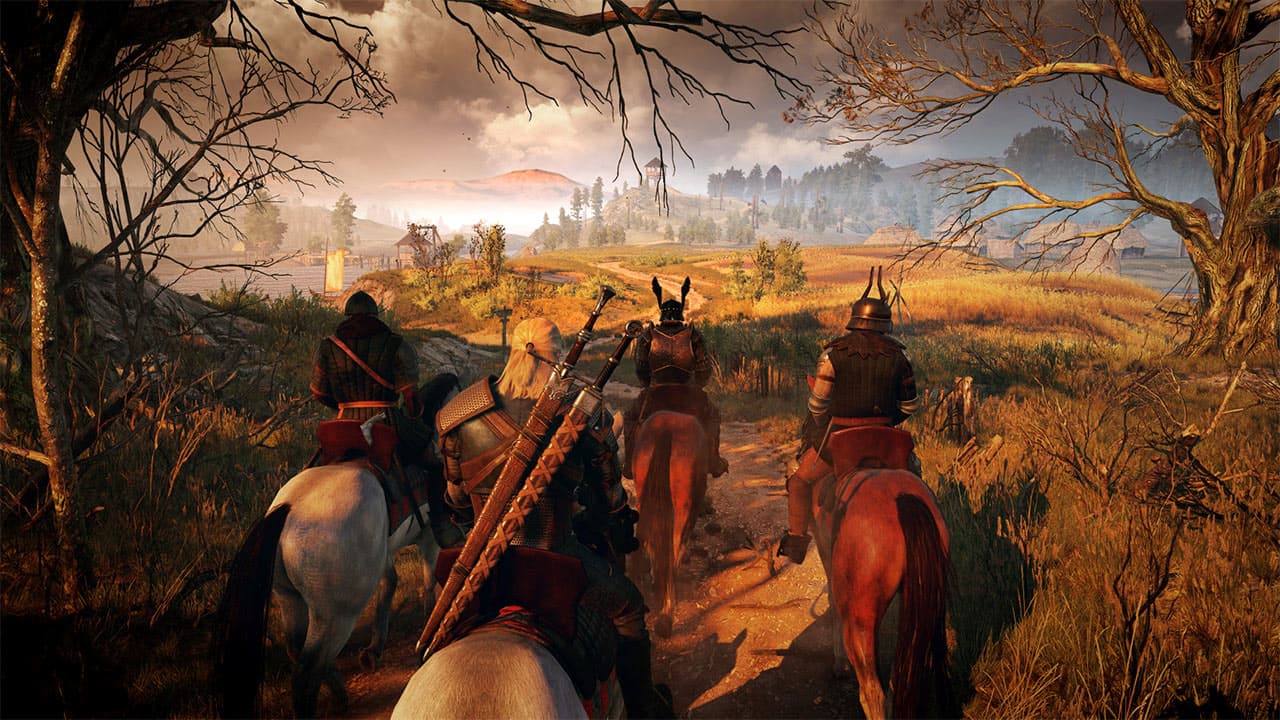


The Witcher 3 Beginner’s Character Build: Skills, Gear, and Playstyle Guide
Your go‑to witcher 3 character build guide for players who are just starting out and want a balanced, long‑lasting build that works from the first quest to the Blood and Wine expansion.
Quick answer
- Core playstyle: Balanced melee + signs + alchemy.
- Skill focus: Swordsmanship (Fast Attack, Resolve), Signs (Quen, Igni), Alchemy (Poison Blade, Metathesis).
- Early gear: Steel sword “Aerondight” (or “Silver Sword – Ursine” for monsters), “Viper” or “Feline” armor set (tier 2), and “Swallow” (sign‑boosting) gear.
- Skill point distribution (Level 1‑30): Follow the step‑by‑step table below; you’ll be ready for Hearts of Stone and Blood and Wine without re‑rolling.
Why a beginner‑friendly build matters
Most online guides chase the witcher 3 best build or speedrun meta, leaving newcomers with a confusing mix of high‑level gear and niche skill trees. This witcher 3 beginner build is deliberately simple, yet it stays viable through the main story, the two DLCs, and even the toughest optional contracts. By the time you hit level 30 you’ll already have a solid foundation for any witcher 3 dlc builds you might want to experiment with later.
Table of contents
- [Understanding Geralt’s Skill Tree](#understanding-geralts-skill-tree)
- [Step‑by‑Step Skill Allocation (Levels 1‑30)](#skill-allocation)
- [Signs & Alchemy: The Perfect Pair](#signs‑alchemy)
- [Gear Recommendations for New Players](#gear-recommendations)
- [Combat Tips & Playstyle Tricks](#combat-tips)
- [DLC‑Ready Adjustments](#dlc-adjustments)
- [FAQ](#faq)
Understanding Geralt’s Skill Tree
Geralt’s abilities are split into three branches:
| Branch | What it powers | Ideal beginner focus |
|---|---|---|
| Combat | Sword techniques, stamina, critical hits | Swordsmanship – gives you reliable damage and survivability. |
| Signs | Magic signs (Aard, Igni, Quen, etc.) | Quen for protection, Igni for damage‑over‑time. |
| Alchemy | Potions, decoctions, mutagens, bomb crafting | Poison Blade & Metathesis to boost damage and sustain. |
A balanced witcher 3 skill allocation guide should invest roughly 40 % Combat, 30 % Signs, and 30 % Alchemy. This spread keeps you effective in melee, lets you survive unexpected hits with Quen, and gives you the alchemical edge to finish fights faster.
Step‑by‑Step Skill Allocation (Levels 1‑30)
> Tip: Use the in‑game “Skill Points” menu to manually assign points; avoid auto‑spend to keep control over the build.
| Level | Skill (Branch) | Reason for picking |
|---|---|---|
| 1‑5 | Fast Attack (Combat) – 2 pts | Increases attack speed; perfect for early monsters. |
| Resolve (Combat) – 1 pt | Boosts stamina regen, essential for dodging. | |
| 6‑10 | Quen (Signs) – 2 pts | Gives a protective shield that absorbs one hit – lifesaver for beginners. |
| Poison Blade (Alchemy) – 1 pt | Adds poison damage to every sword swing, scaling with toxicity. | |
| 11‑15 | Razor Focus (Combat) – 2 pts | Critical hit chance rise; works well with fast attacks. |
| Igni (Signs) – 2 pts | Deals fire damage and can ignite enemies, synergizing with Poison Blade. | |
| 16‑20 | Metathesis (Alchemy) – 2 pts | Converts toxicity into bonus damage – perfect for a poison‑centric build. |
| Vigor (Combat) – 1 pt | Increases maximum stamina, letting you cast more signs. | |
| 21‑25 | Melt Armor (Combat) – 2 pts | Reduces enemy armor on hit, making later fights easier. |
| Active Shield (Signs) – 2 pts | Upgrades Quen to reflect a portion of damage back to the attacker. | |
| 26‑30 | Improved Alchemy (Alchemy) – 2 pts | Increases potion duration, vital for tougher DLC bosses. |
| Whirl (Combat) – 1 pt | Adds a spinning attack that hits multiple foes – great for monster packs. |
Total points used: 30 (all available by level 30).
If you reach level 30 before finishing the main story, you can freely re‑allocate points via the “Re‑spec” option (costs 3 gold per point) to experiment with more niche DLC builds later.
Signs & Alchemy: The Perfect Pair
Core Signs for Beginners
| Sign | How to use it effectively | Synergy with Alchemy |
|---|---|---|
| Quen | Activate before entering a fight; the shield absorbs the first hit, buying you time to dish out damage. | Combine with Improved Alchemy so you can keep potions up while the shield is active. |
| Igni | Aim at enemy weak points; the fire can cause ignition which deals extra damage over time. | Works great with Poison Blade – enemies take both fire and poison damage simultaneously. |
| Aard | Use to stun humanoids or break shields; saves stamina for sword combos. | Not essential for the beginner build, but handy for crowd control. |
| Yrden | Deploy on monster‑rich areas (e.g., drowners) to slow them down. | Pair with Metathesis – slowed enemies stay in your poison field longer. |
Alchemy Essentials
- Poison Blade (already in the skill tree) + Poison Preparation (Alchemy) → Craft “Tawny Owl” (moderate toxicity, high damage).
- Metathesis turns the toxicity from your poison into a damage bonus; keep toxicity around 50‑70 % for optimal output.
- Improved Alchemy extends potion duration from 30 seconds to 45 seconds, letting you stay in combat longer without re‑drinking.
Quick alchemy recipe list for early game (all ingredients found in forests or markets):
| Potion | Ingredients | Effect |
|---|---|---|
| Swallow | Dwarven spirit, Celandine, Dwarven oil | Restores health over time. |
| Thunderbolt | Celandine, Dwarven spirit, Mandrake root | Boosts stamina regen. |
| Cat | Dwarven oil, Celandine, White Gull | Increases attack power. |
| Tawny Owl (Poison) | Dwarven oil, Celandine, White Gull, Mandrake root | Adds poison damage. |
Keep a stock of Swallow and Thunderbolt before heading into a new region; they’ll keep you alive while you learn the combat rhythm.
Gear Recommendations for New Players
Weapon Choices
| Weapon Type | Early‑Game Option | Mid‑Game Upgrade | Why it fits the beginner build |
|---|---|---|---|
| Steel Sword (human enemies) | “Aerondight” (found in the Novigrad area after the “A Matter of Life and Death” quest) | “Hawke” (found in Blood and Wine) | High base damage, fast attack speed, works with Fast Attack skill. |
| Silver Sword (monsters) | “Ursine” (quest reward from The Beast of White Orchard) | “Griffin Silver” (DLC) | Good balance of damage and durability; synergy with Melt Armor. |
| Crossbow | Standard Crossbow (available from the start) | “Elder Crossbow” (found in Hearts of Stone) | Useful for ranged monster parts; low stamina cost. |
Armor Sets
| Set | Tier | Where to find | Benefits for the beginner build |
|---|---|---|---|
| Feline | Tier 2 | Purchase from Armorer in Novigrad (requires 3 gold) | +15 % attack power, +10 % sign intensity – perfect for a balanced melee‑sign approach. |
| Viper | Tier 2 | Loot from Novigrad area (mid‑level bandits) | +20 % critical hit chance, +10 % poison resistance – works well with Poison Blade. |
| Swallow (sign‑boosting) | Tier 2 | Craft using Swallow potion recipes + Alchemy skill | Increases sign intensity by 10 % and reduces sign cooldown. |
Gear upgrade tip: When you first obtain a Tier 2 set, upgrade it to Tier 3 using blacksmith services (cost ~50 gold). The extra 5 % damage and sign boost are noticeable without breaking the beginner budget.
Accessory Slots
- Ring 1: “Goldsmith’s Ring” – +5 % sign intensity.
- Ring 2: “Witcher’s Amulet” – +5 % critical hit chance.
- Necklace: “Tawny Owl” (crafted) – adds poison damage to all attacks.
Combat Tips & Playstyle Tricks
- Start every fight with Quen. The shield buys you a few seconds to gauge enemy patterns.
- Chain Fast Attack → Poison Blade → Igni. Fast attacks build combo meter, poison adds damage over time, and Igni finishes with fire damage that can ignite.
- Use stamina wisely. Resolve and Vigor keep your stamina pool healthy; avoid spamming Aard unless you need a stun.
- Watch toxicity. Keep it between 40‑80 % for Metathesis to give you a consistent damage boost without risking a toxic death.
- Dodge to the side, not backward. Most monsters have a forward lunge; side‑dodging lets you counter‑attack with a Fast Attack.
DLC‑Ready Adjustments
Even though this guide is aimed at beginners, a few minor tweaks will keep the build sharp for the DLCs:
| DLC | Suggested Add‑on Skill | Reason |
|---|---|---|
| Hearts of Stone | “Improved Quen” (Signs) – +1 pt | Extra shield durability helps against the tougher contract enemies. |
| Blood and Wine | “Enhanced Alchemy” (Alchemy) – +1 pt | Extends potion duration further, crucial for the high‑damage fights in Toussaint. |
| Both | “Griffin School” (Combat) – 1 pt (if you have spare points) | Adds a small damage boost to both swords, useful for the higher armor values of DLC monsters. |
You can invest these points after completing the base game’s main story, when you have extra skill points from DLC quests.
Frequently Asked Questions
What is the best beginner build in Witcher 3?
The most beginner‑friendly build combines Swordsmanship, Quen, and Poison Blade with a balanced allocation of Igni, Metathesis, and Improved Alchemy. This gives you solid melee damage, a protective shield, and alchemical damage over time that scales throughout the game.
How should I allocate skill points for a balanced Witcher 3 character?
Follow the step‑by‑step table above: prioritize Fast Attack, Resolve, Quen, and Poison Blade early on. By level 30 you’ll have roughly 40 % Combat, 30 % Signs, and 30 % Alchemy points, which is ideal for a well‑rounded playstyle.
Which signs and alchemy skills work best together for new players?
Quen (for protection) pairs with Improved Alchemy (longer potion duration). Igni works hand‑in‑hand with Poison Blade and Metathesis, delivering fire + poison damage that overwhelms most early‑game enemies.
What gear should a beginner use in Witcher 3?
Start with the Feline or Viper Tier 2 armor sets, the Aerondight steel sword and Ursine silver sword, and equip the Swallow sign‑boosting necklace. Upgrade to Tier 3 when you can afford it.
Can a beginner build handle Hearts of Stone and Blood and Wine content?
Absolutely. By adding a few extra points to Improved Quen and Improved Alchemy (as shown in the DLC‑Ready Adjustments table), the same build easily survives the tougher contracts and boss fights in both expansions.
How do I keep toxicity from killing me while using poison?
Keep your toxicity between 40‑80 % by drinking a Swallow potion before a big fight and using Metathesis to convert excess toxicity into bonus damage. If you ever hit 100 % toxicity, a quick Swallow will reset it.
Are there any free resources for finding alchemy recipes?
All alchemy recipes are listed in the in‑game Bestiary and Alchemy tabs. Additionally, the Novigrad market vendors sell recipe books for a few gold each, which is a cheap way to expand your potion arsenal early on.
Final thoughts
A solid witcher 3 beginner build doesn’t need exotic gear or a perfect meta skill tree. By focusing on a balanced mix of melee, signs, and alchemy, you’ll stay competitive from the first monster in White Orchard all the way to the vineyards of Toussaint. Keep the skill allocation simple, upgrade your gear gradually, and use the combat tips above to survive every contract. Happy hunting, and may your signs never fail!