
The Witcher 3: Wild Hunt Beginner Guide – Mastering the First 20 Hours
Welcome to FizzyGames, your go‑to source for clear, actionable gaming advice. If you’ve just booted up The Witcher 3: Wild Hunt and feel overwhelmed by the sprawling map, countless side quests, and deep combat system, you’ve landed in the right place. This witcher 3 beginner guide walks you through character creation, session planning, early‑game priorities, combat fundamentals, and resource management so you can enjoy a smooth, spoiler‑free start and avoid the common pitfalls that trip up new players.
Quick answer
- Play time: Focus on the first 20 hours to unlock the main story, two Witcher contracts, and the first major gear set.
- Session planning: Break your playtime into 2‑hour “chunks” – map exploration, quest completion, and skill points.
- Key settings: Turn off auto‑save prompts, enable “Show Quest Markers,” and set combat difficulty to “Just Right.”
- Mistake recovery: Use the “Reset Skill Points” option (available after Chapter 2) and re‑gather alchemy ingredients before tackling tougher monsters.
- Core tip: Prioritise Geralt early game upgrades (signs, sword techniques) before chasing legendary loot.
Read on for the step‑by‑step walkthrough that turns a chaotic open world RPG starter into a focused adventure.
Step 1: Character Creation & Settings that Actually Matter
Even though The Witcher 3 doesn’t let you customize Geralt’s appearance beyond the default, the settings that actually matter can dramatically affect your early experience.
Settings to tweak
> Tip: Adjust these settings before you start the first quest. Changing them later can break immersion and force you to relearn mechanics.
Step 2: Session Planning – Your First 5 Hours
A solid session planning routine is the backbone of any open world rpg starter guide. Treat each play session like a mini‑mission.
- Hour 0‑1 – Tutorial & Prologue
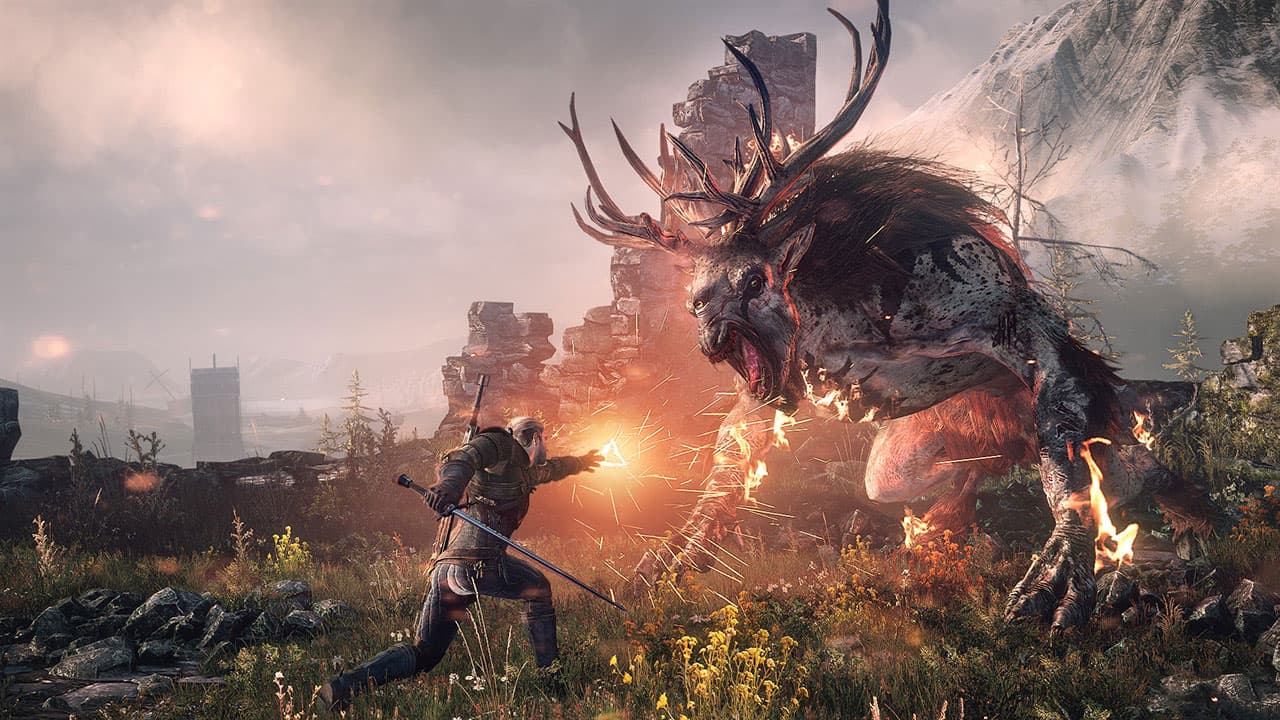
- Complete “The Beast of White Orchard” and the “Kaer Morhen” tutorial.
- Allocate 2 skill points: one into Swordsmanship (Fast Attack) and one into Signs (Igni).
- Hour 1‑3 – Map Unlocked, First Side Quest
- Open the world map; set a waypoint to Velen (the first major region).
- Accept the “Missing Brother” quest – it introduces alchemy and corpse scanning.
- Hour 3‑5 – First Witcher Contract
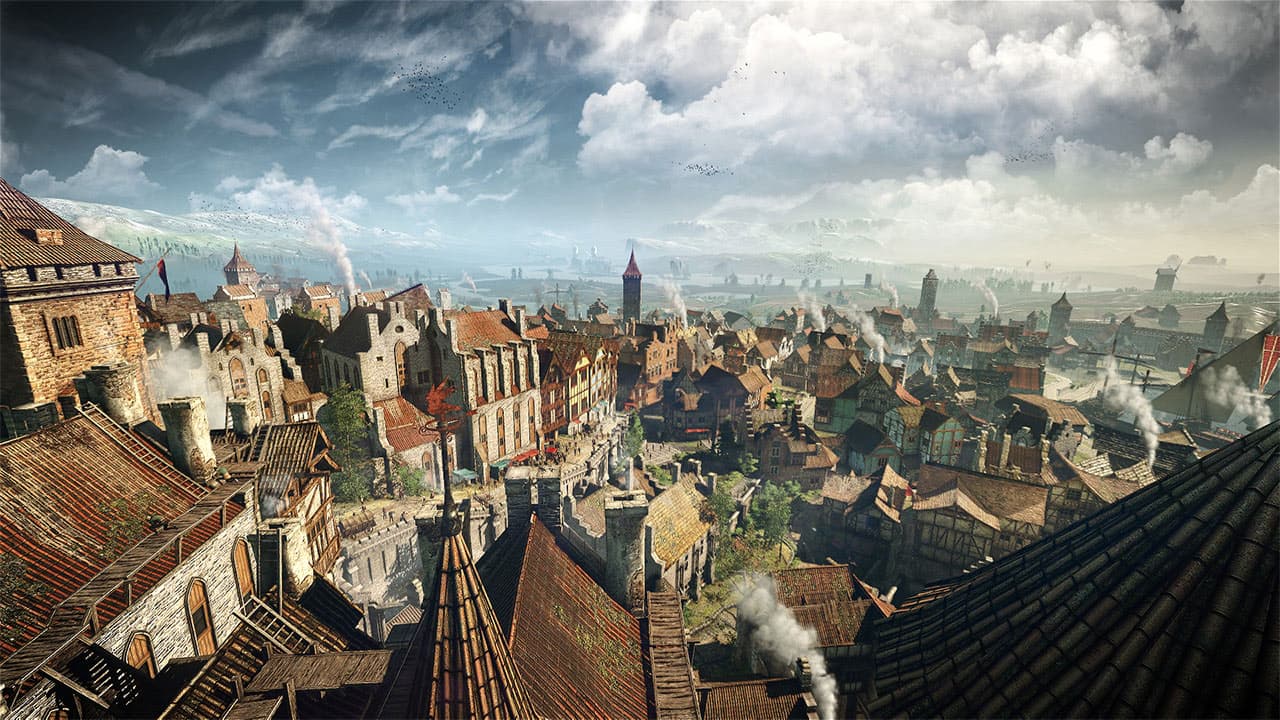
- Head to Novigrad for the “Contract: The Beast of the Woods.”
- Gather silver ore, herbs, and a basic potion (Swallow) before the fight.
Why this works: You get a taste of story, side content, and combat variety without drowning in optional activities.
Step 3: Quest Prioritisation – Story vs. Side Content
New players often ask, “What should I do first?” The answer lies in balancing narrative momentum with mechanical growth.
- Main Story (Priority 1) – Completes the “Prologue” and “Chapter 1” arcs, unlocking fast travel and the Geralt early game skill tree.
- Witcher Contracts (Priority 2) – Provide decent XP, unique monster loot, and teach you to read enemy weaknesses.
- Gwent & Treasure Hunts (Priority 3) – Fun diversions but can be postponed until after you have a reliable combat setup.
Quick prioritisation checklist
- ✅ Finish all main story quests in White Orchard and Velen before tackling Novigrad’s side missions.
- ✅ Complete at least two Witcher contracts before your first major gear upgrade.
- ✅ Save Gwent decks for later; they’re rewarding but not essential for early survival.
Step 4: Combat Fundamentals – Geralt Early Game
Combat in The Witcher 3 blends swordplay, signs, and alchemy. Mastering the basics early prevents the “I can’t hit anything!” frustration.
Core combat loop
- Assess – Look for the monster’s telltale animation (e.g., a wolf’s crouch before a leap).
- Dodge – Roll to the side at the last possible moment; stamina will replenish quickly if you time it right.
- Sign – Cast Igni for fire damage on beasts, Quen for a protective shield, or Aard to stagger humanoids.
- Attack – Use a fast attack combo followed by a heavy strike for bonus damage.
Early‑game skill recommendations
> Tip: After each battle, open the Alchemy tab and brew a Swallow potion. It restores health over time and is cheap to make with common herbs.
Step 5: Efficient Resource Management
Your inventory can become a black hole if you don’t prune it regularly. Follow these evergreen witcher 3 beginner guide tips for a tidy backpack.
- Sell or dismantle all low‑level gear (≤ +2) at the nearest blacksmith.
- Organise alchemy ingredients by category (herbs, monster parts, minerals).
- Craft “Repair Kits” early; they save gold when you need to fix your swords.
- Use the “Quick Access” bar for potions, bombs, and signs you use most often.
Sample daily routine
- Loot – Collect everything from chests and corpses.
- Sort – Immediately sell or dismantle junk items.
- Craft – Make a Swallow potion and a basic bomb (e.g., Northern Wind).
- Upgrade – Apply a +1 sword upgrade at the blacksmith once you have enough ore.
Step 6: Mistake Recovery – How to Bounce Back
Even the best beginners make missteps. Here’s how to recover without losing momentum.
> Tip: The “Mistake Recovery” section is often overlooked in other guides, but at FizzyGames we know that a quick reset can save you hours of frustration.
Bonus Witcher 3 Tips for the Open World RPG Starter
These witcher 3 tips are perfect for players who love the freedom of an open world but need a roadmap.
- Fast travel becomes available after the first main quest; use it to cut down on travel time.
- Horse “Roach” can be summoned anywhere via the “Mount” button – keep her fed with oats to avoid losing her.
- Night‑time travel is slower; plan long journeys for daylight to reduce random monster encounters.
- Dialogue choices often affect quest outcomes – pick “Ask for more details” to unlock extra XP and lore.
- Save often (manual saves) before major boss fights; the auto‑save can sometimes lock you into a bad outcome.
Bookmark this FizzyGames guide and revisit after your next session—small, repeatable improvements beat rewriting your whole plan every day.
FAQ
What is the best witcher 3 beginner guide?
For witcher 3 beginner guide: start with one core mechanic and practice it in a low-risk fight before scaling difficulty. FizzyGames readers usually lock one practice goal before changing loadouts or builds.
How do beginners start with witcher 3 beginner guide?
For witcher 3 beginner guide: avoid spreading points too thin—max your key skills before unlocking side branches.
What mistakes ruin witcher 3 beginner guide progress?
For witcher 3 beginner guide: track progress by whether fights get shorter and safer after each gear/skill upgrade.