

The Witcher 3: Wild Hunt Beginner's Guide – Survive the Continent from Day One
The Witcher 3: Wild Hunt is an expansive, immersive RPG that can be overwhelming for newcomers. This comprehensive the witcher 3 beginner guide will help you navigate the treacherous world of the Continent, making your journey from novice witcher to master monster slayer as smooth as possible. Whether you're new to the series or returning after a break, these tips and strategies will ensure you don't get lost in the vastness of this masterpiece.
Quick Answer
To start your journey in The Witcher 3 effectively, begin with the White Orchard tutorial area, complete the main quests to unlock fast travel, prioritize the sign-based combat style, invest in alchemy for early game advantages, manage your money carefully, and focus on a balanced skill build rather than specializing too early. The key to success in the witcher 3 beginner guide is understanding that preparation and knowledge are just as important as combat prowess.
Understanding the Basics
Game Mechanics Overview
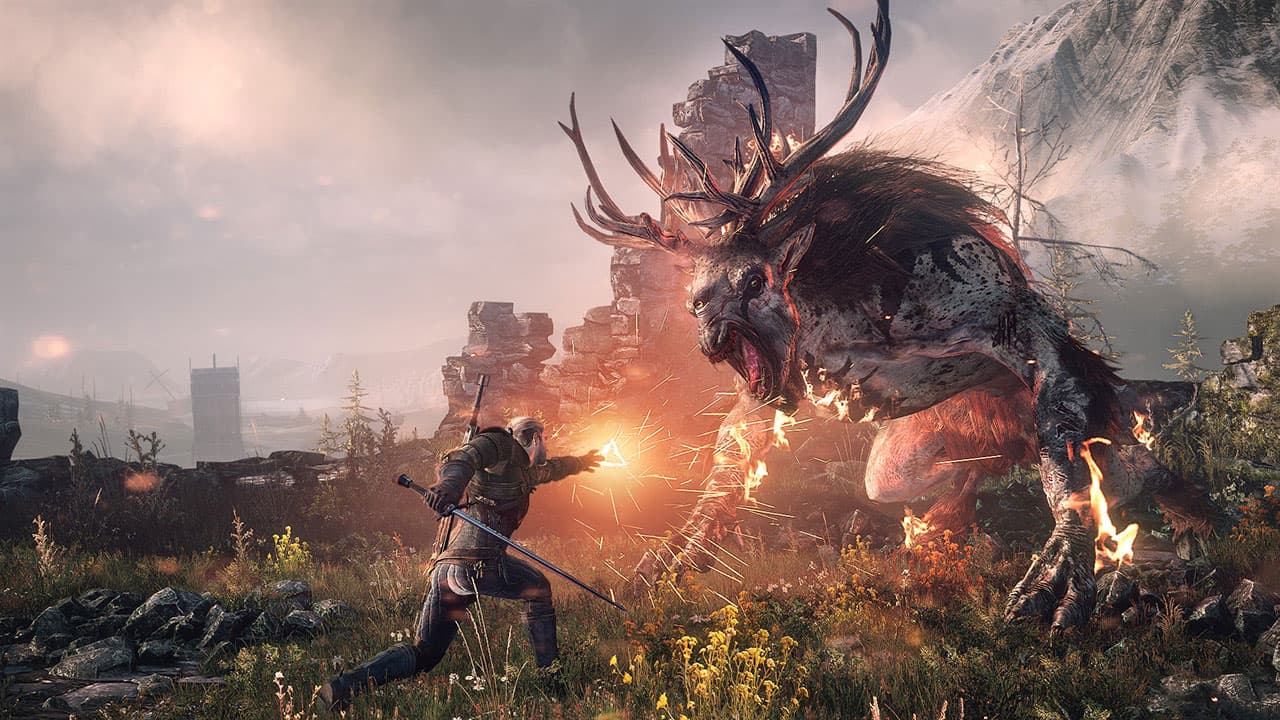
The Witcher 3 combines action combat with deep RPG mechanics. You play as Geralt of Rivia, a professional monster hunter with supernatural abilities. The game features:
- Real-time combat with swords, signs, and bombs
- A robust alchemy system for crafting potions and oils
- Decision-making that impacts the world and story
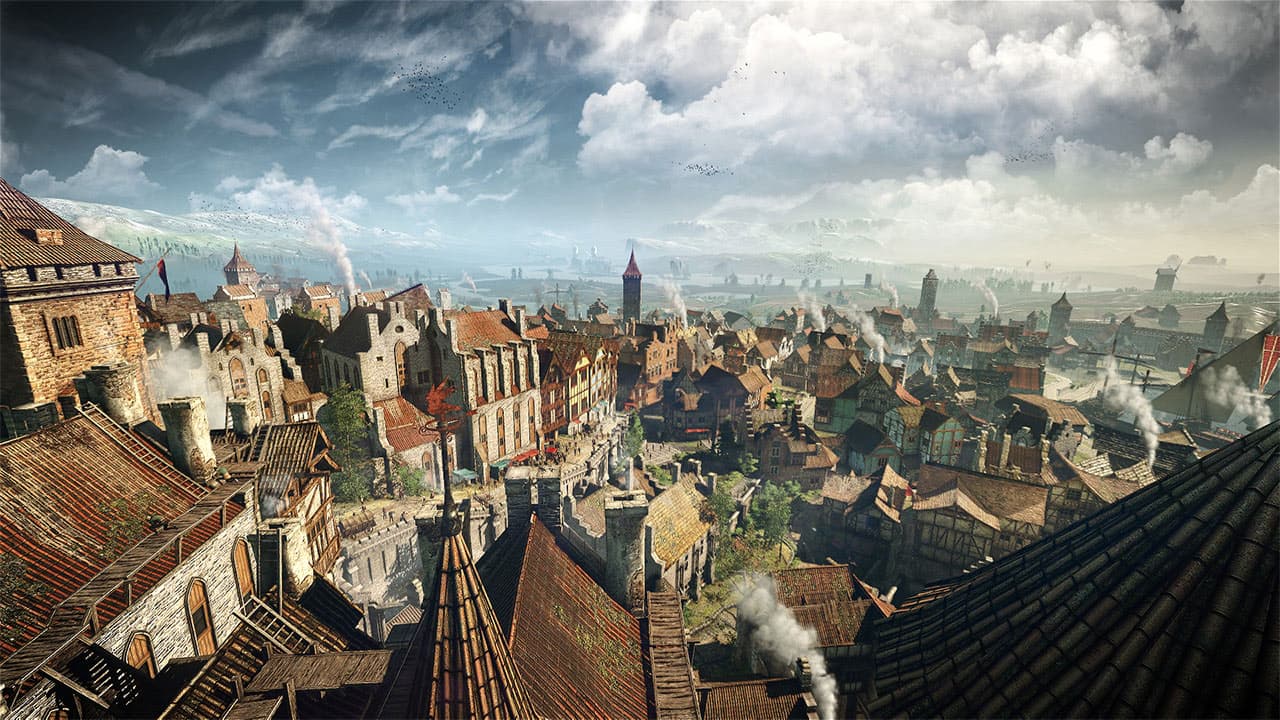
- Exploration of vast, beautifully detailed environments
- Complex character progression through skill trees
Session Planning for Maximum Progression
Planning your gaming sessions is crucial when starting The Witcher 3. Unlike many modern games, The Witcher 3 rewards methodical play and preparation.
Tip: Divide your play sessions into focused objectives. For example, dedicate one session to completing all available quests in a region before moving on. This ensures you don't miss valuable experience, gear, and story content.
A typical beginner session plan might include:
- 30 minutes for exploration and side quests
- 20 minutes for monster contracts and combat practice
- 15 minutes for alchemy and crafting
- 15 minutes for inventory management and gear optimization
This structured approach prevents feeling overwhelmed and ensures steady progression.
Essential Settings for Beginners
Graphics Settings That Matter
While The Witcher 3 looks stunning, not all graphics settings impact gameplay equally. For beginners, prioritize these settings:
- foliage distance: Higher settings make navigation easier by showing plants from afar
- character LOD: Keep this high to see enemy movements clearly
- shadow quality: Medium settings maintain performance while providing useful visual information
- water quality: Higher settings improve visibility underwater
Gameplay Settings for Better Experience
Adjust these settings to improve your early game experience:
- difficulty: Set to "Normal" for balanced combat (adjust based on preference)
- crosshair: Enable for better combat targeting
- radial menu: Customize for quick access to potions, bombs, and signs
- tutorial tips: Keep enabled for helpful reminders
Early Game Progression
Starting Strong in White Orchard
White Orchard serves as your introduction to The Witcher 3's mechanics. Focus on:
- Completing the main quest "The Witcher's Beast" to unlock fast travel
- Accepting all available quests from notice boards and NPCs
- Practicing sword combat against humans before facing monsters
- Collecting herbs and materials for alchemy
Character Building Fundamentals
A well-balanced character build is essential for the witcher 3 beginner guide. Avoid specializing too early in the game.
Core Skill Trees:
- Combat: Focus on sword upgrades and basic signs
- Alchemy: Prioritize toxicity reduction and potion effectiveness
- Signs: Invest in sign intensity and duration
- General: Unlock useful passives like Fast Attack and Adrenaline
Recommended Early Skills:
- Axii (for crowd control)
- Quen (for protection)
- Fast Attack (for consistent damage)
- Alchemist (for better potions)
- Tolerance (for reduced toxicity)
Money Management Strategies
Money is scarce in the early game. Here's how to manage it effectively:
- Sell excess gear and materials regularly
- Complete quests for rewards
- Loot everything—corpses, containers, and hidden spots
- Avoid expensive gear upgrades until you have a steady income
- Invest in alchemy ingredients for crafting valuable potions
Alchemy Basics for Beginners
Alchemy is one of the most powerful systems in The Witcher 3. Mastering it early will significantly improve your chances of survival.
Essential Early Game Potions
- Cat: Enhanced night vision and detect tracks
- Swallow: Regeneration during combat
- White Honey: Antidote and toxicity reduction
- Tawny Owl: Meditation bonus (useful for long sessions)
Crafting Oils for Superior Combat
Apply oils to your silver sword before facing specific enemy types:
- Draconid Oil: Effective against dragons and flying creatures
- Nekker Oil: Superior against Nekkers and similar monsters
- Vampire Oil: Enhanced damage against vampires
- Werewolf Oil: Increased effectiveness against werewolves
Tip: Always craft multiple potions before heading into dangerous areas. The witcher 3 beginner guide emphasizes preparation over improvisation.
Combat Fundamentals
Sword Combat Techniques
Master these basic sword techniques:
- Light Attacks: Quick and consistent damage
- Strong Attacks: Higher damage but slower
- Dodge: Essential for avoiding enemy attacks
- Parry: Block at the right moment to stagger enemies
- Fist Fighting: Useful for human opponents
Signs Usage in Combat
Signs are Geralt's magical abilities and crucial for effective combat:
- Igni: Fire sign for groups of enemies
- Aard: Telekinetic push to stagger foes
- Yrden: Trap sign for difficult enemies
- Quen: Protective shield
- Axii: Mind control for human enemies
Tip: Combine signs with sword attacks for maximum effectiveness. For example, use Axii to stun an enemy, then follow up with strong attacks.
Gear Progression
Weapon Upgrades
Your swords are your primary weapons. Focus on:
- Steel Sword: For human enemies
- Silver Sword: For monsters and creatures
- Maintenance: Regularly repair weapons at blacksmiths
Armor Selection
Early game armor options:
- Viper School Gear: Balanced stats, available early
- Griffin School Gear: Good magical resistance
- Wolf School Gear: Enhanced alchemy bonuses
Tip: Don't chase the best gear immediately. Moderate upgrades with useful bonuses will serve you better than powerful gear with penalties.
Mistake Recovery Strategies
Even the best the witcher 3 beginner guide will encounter setbacks. Here's how to recover from common beginner mistakes:
If You're Underleveled for an Area
- Return to previously explored areas for missed content
- Complete side quests for experience
- Craft potions and oils to gain an advantage
- Lower difficulty temporarily if frustration sets in
If You've Made Poor Skill Choices
- Use the respec mod if available on your platform
- Adapt your playstyle to complement your current build
- Focus on alchemy to compensate for combat weaknesses
- Consult online resources for optimal builds
If You're Short on Money
- Sell unused items and crafting materials
- Complete bounty hunter contracts
- Search hidden locations for valuable loot
- Complete quests for monetary rewards
Advanced Beginner Tips
Understanding the World
- Use the bestiary to learn about monsters before facing them
- Read books and journals for lore and quest clues
- Talk to NPCs for information and hidden quest opportunities
- Explore off the beaten path for hidden treasures
Time Management
- Use meditation to pass time and regenerate potions
- Complete quests during the day for better visibility
- Rest at inns to trigger special events and conversations
- Plan your routes to minimize travel time
The Witcher 3 Beginner Guide: Session Planning
Planning your gaming sessions effectively can dramatically improve your experience in The Witcher 3. Here's a structured approach:
- Set Clear Objectives: Before playing, decide what you want to accomplish (complete a specific quest, explore a region, etc.)
- Allocate Time Blocks: Dedicate specific time periods for different activities (combat, exploration, crafting)
- Take Regular Breaks: The Witcher 3 is dense; short breaks prevent burnout
- Document Progress: Note quest objectives and locations for future sessions
- Review Achievements: Track your progress to stay motivated
This structured approach ensures you make consistent progress without feeling overwhelmed.
FAQ
What is the best the witcher 3 beginner guide?
For the witcher 3 beginner guide: start with one core mechanic and practice it in a low-risk fight before scaling difficulty.
How do beginners start with the witcher 3 beginner guide?
For the witcher 3 beginner guide: avoid spreading points too thin—max your key skills before unlocking side branches.
What mistakes ruin the witcher 3 beginner guide progress?
For the witcher 3 beginner guide: track progress by whether fights get shorter and safer after each gear/skill upgrade.