
Portal 2 Timeless Puzzle Design Review and Why It Still Matters This FizzyGames breakdown keeps the advice practical and evergreen.
Portal 2 remains a benchmark for puzzle‑based gameplay, blending physics, narrative, and clever level design into a cohesive experience that feels fresh even years after its 2011 release. In this portal 2 puzzle design review, we dissect the mechanics, pacing, and story integration that keep the game relevant today, and we fill the gaps left by most nostalgia‑driven retrospectives. Whether you’re a seasoned pro or a newcomer curious about how to approach each test chamber, this guide will help you master the game’s design principles and appreciate why Portal 2 continues to influence modern titles.
Quick answer
- Portal 2 puzzle design review: The game’s genius lies in its tight coupling of physics‑based mechanics with escalating difficulty, narrative stakes, and player agency.
- Best practice: Plan sessions, learn from mistakes, tweak settings for optimal focus, and use the built‑in hint system sparingly.
- Why it matters: Portal 2’s design principles—clear feedback loops, incremental learning, and narrative‑driven progression—serve as a textbook for any game developer or enthusiast.
The Core of Portal 2’s Puzzle Design
Mechanics That Drive the Experience
Portal 2’s core mechanic—creating portals that link two points in space—remains the engine around which every puzzle revolves. The game expands on this with momentum‑based jumps, time‑travel puzzles, and the introduction of the “portal gun’s” ability to create two portals simultaneously. This dual‑portal system introduces a spatial reasoning layer that is both intuitive and deeply challenging. Each new mechanic is introduced in a controlled environment, ensuring that players master one concept before layering another.
Pacing and Difficulty Curve
Portal 2’s level design follows a classic “tutorial → practice → challenge” structure. Early chambers focus on simple portal placement, while later ones require precise timing, multi‑portal combos, and environmental manipulation. The game’s pacing keeps players engaged: the difficulty curve is steep enough to feel rewarding but not so steep that it becomes discouraging. The “Aperture Science Guided Tour” serves as a gentle introduction, allowing players to experiment without penalty.
Narrative Integration
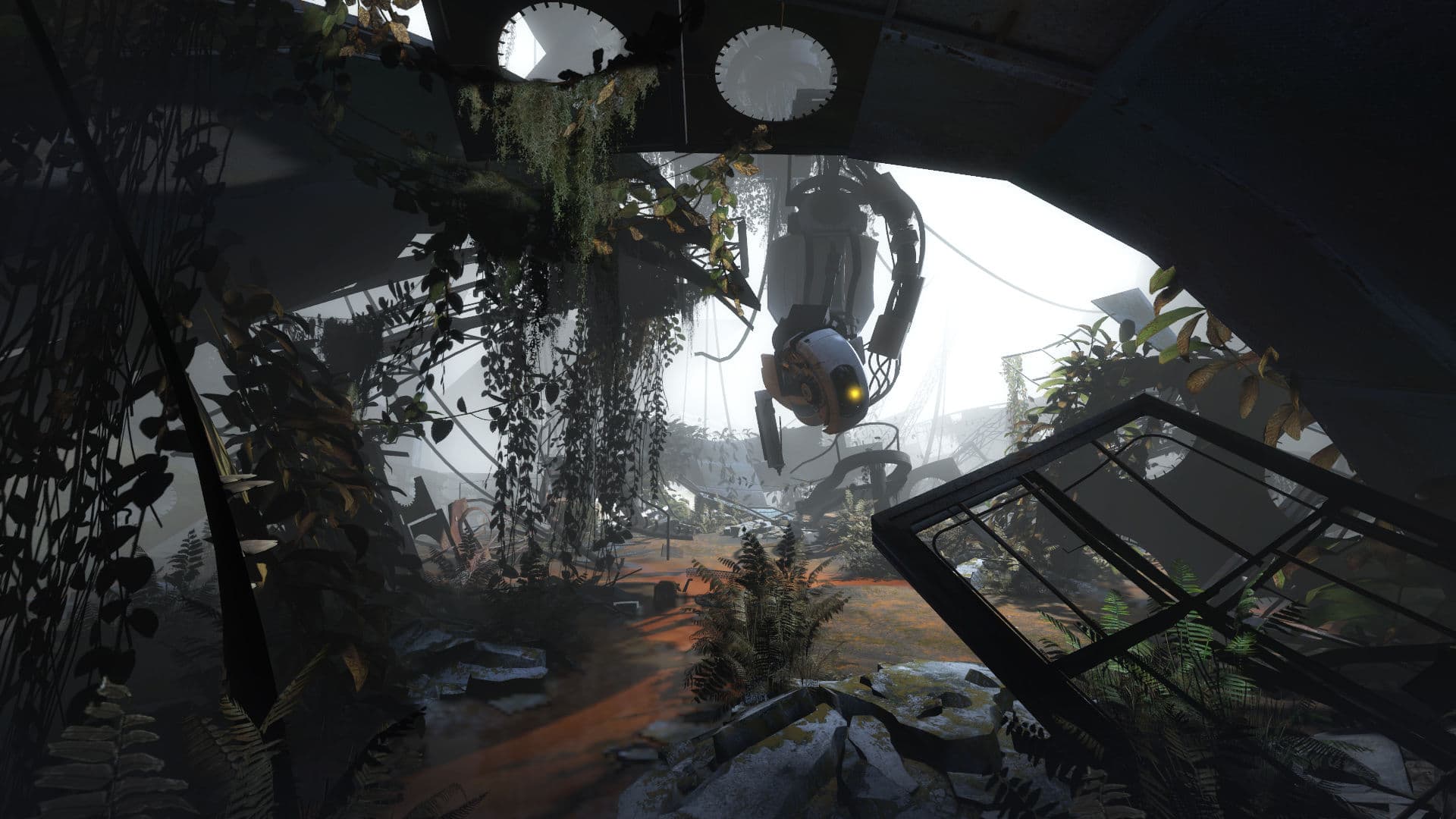
GLaDOS, Wheatley, and the “Portal 2” story arc are woven into the puzzles, turning each challenge into a narrative beat. The game uses environmental storytelling—post‑its, audio logs, and character dialogue—to explain the purpose of each puzzle. This narrative integration elevates the experience from a mere series of mechanical challenges to a cohesive adventure that feels earned.
Session Planning for an Effective Playthrough
Many players rush through Portal 2, missing subtle clues or feeling burnt out. A structured session plan can help maintain focus and reduce frustration.
- Allocate Time Blocks
- 30–45 minutes per session is ideal.
- Take a 5‑minute break after every three chambers to avoid fatigue.
- Set Clear Goals
- Aim to finish one “test chamber” per session.
- Note any recurring obstacles for later review.
- Use a Notebook or Digital Tool
- Jot down portal placement strategies, timing tricks, and any “aha” moments.
- This reinforces learning and provides a reference for future sessions.
- Review After Each Session
- Re‑watch the last chamber to catch missed details.
- Identify what went wrong and plan a corrective strategy.
Mistake Recovery: Turning Errors into Learning
Mistakes are inevitable, but how you respond to them determines your progress. Here’s how to turn errors into stepping stones:
- Identify the Root Cause
- Was the mistake due to misreading the environment or miscalculating timing?
- Pinpointing the cause helps you avoid repeating it.
- Reset Strategically
- Use the “Reset” button to clear the chamber without losing progress.
- This allows you to experiment with different portal placements without penalty.
- Adopt a Growth Mindset
- View each failed attempt as data.
- Keep a log of what worked and what didn’t.
- Leverage the Hint System
- If you’re stuck, use the in‑game hint system sparingly.
- The hints provide a gentle nudge rather than a full solution.
Settings That Actually Matter
While the core mechanics are robust, certain settings can significantly affect your experience:
Fine‑tuning these settings can make the difference between a smooth playthrough and a series of frustrating missteps.
Practical Tips for Beginners
> Tip: Start with the “Aperture Science Guided Tour” before diving into the main campaign. It introduces the mechanics in a low‑pressure environment.
- Use the “Portal” button sparingly – try to place portals only when necessary to keep the puzzle manageable.
- Experiment with physics – try moving objects around to create new paths.
- Watch for environmental hints – subtle color cues and lighting often indicate portal placement.
- Keep an eye on the timer – many puzzles require you to solve them within a limited time.
These simple strategies will help you build a solid foundation and reduce the learning curve.
Why Portal 2 Still Matters
Portal 2’s design principles are timeless for several reasons:
- Clear Feedback Loops – Every portal placement immediately shows its effect, reinforcing learning.
- Incremental Complexity – New mechanics are introduced one at a time, allowing players to master each before moving on.
- Narrative‑Driven Progression – The story motivates players to solve puzzles, turning mechanical challenges into meaningful actions.
- Community‑Driven Solutions – The game’s open‑ended puzzles foster a vibrant community of “Portal 2 puzzle design review” guides and fan‑made solutions.
These elements have inspired countless indie and AAA titles, cementing Portal 2’s legacy as a design masterclass.
Bookmark this FizzyGames guide and revisit after your next session—small, repeatable improvements beat rewriting your whole plan every day.
FAQ
What is the best portal 2 puzzle design review?
For portal 2 puzzle design review: start with one core mechanic and practice it in a low-risk fight before scaling difficulty. FizzyGames readers usually lock one practice goal before changing loadouts or builds.
How do beginners start with portal 2 puzzle design review?
For portal 2 puzzle design review: avoid spreading points too thin—max your key skills before unlocking side branches.
What mistakes ruin portal 2 puzzle design review progress?
For portal 2 puzzle design review: track progress by whether fights get shorter and safer after each gear/skill upgrade.