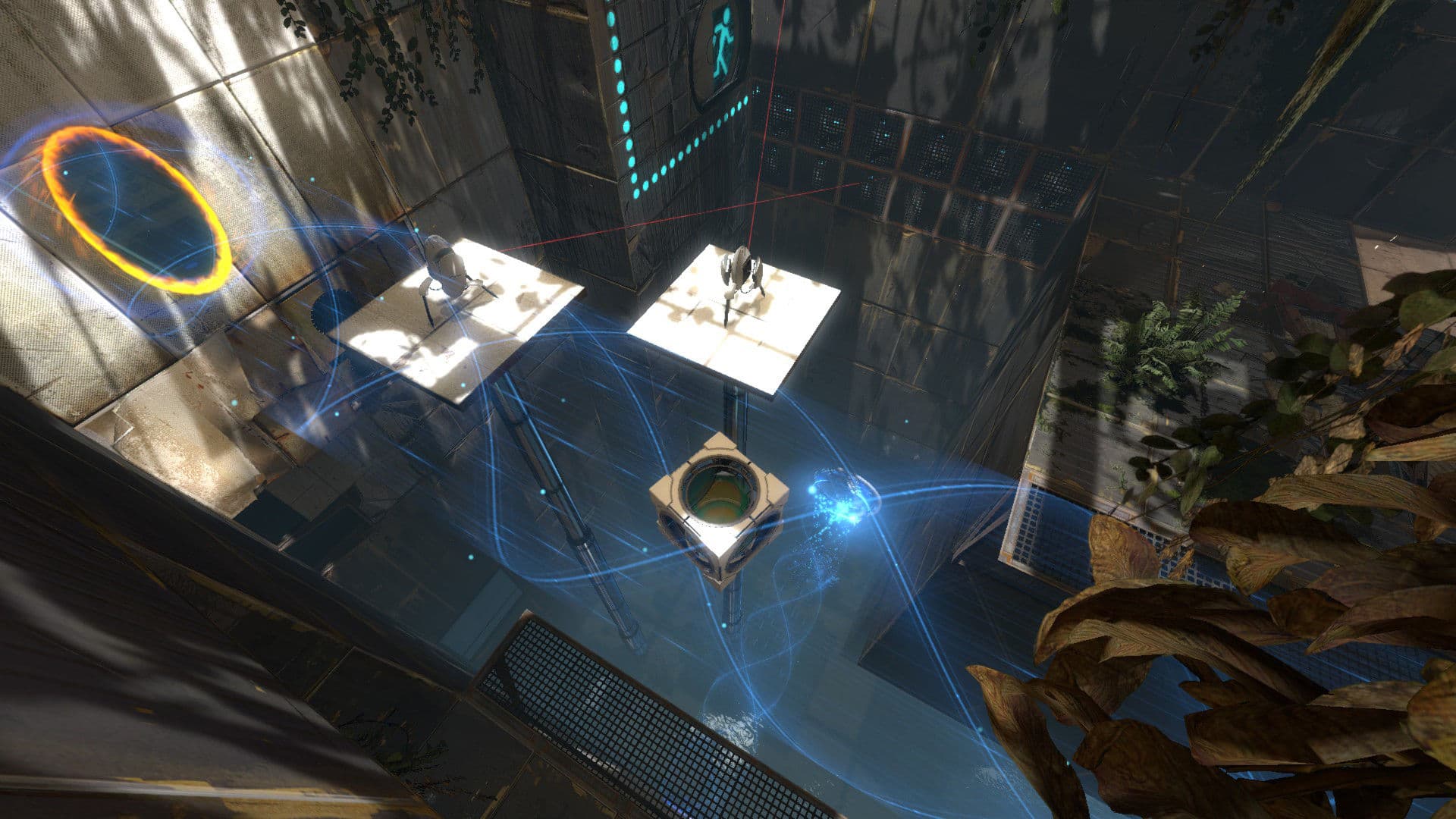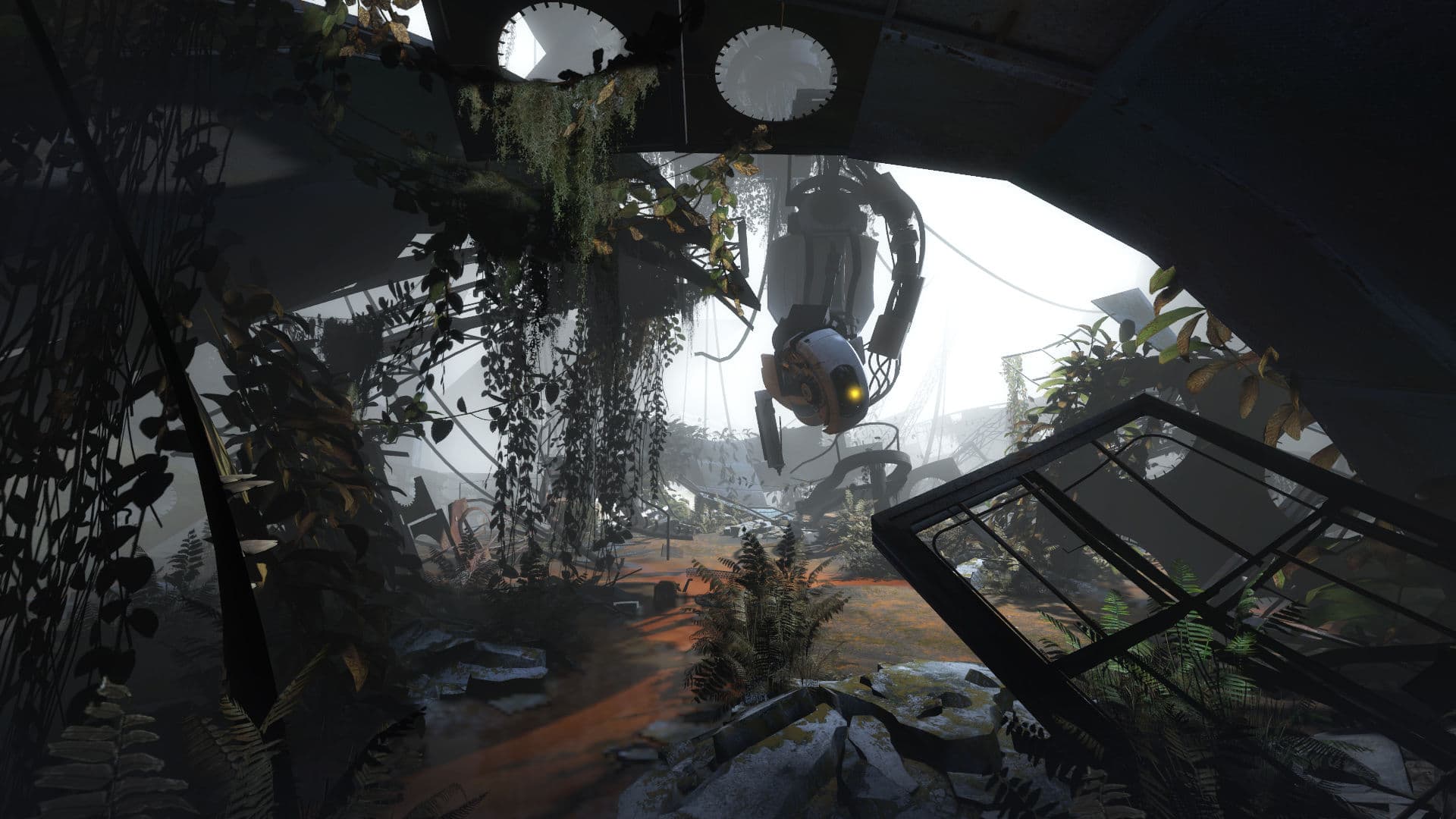


Since its release in 2011, Portal 2 has stood as a masterclass in puzzle design, captivating players with its clever mechanics, gradual learning curve, and satisfying challenges. For indie developers looking to create their own compelling puzzle experiences, understanding the portal 2 puzzle design methodology offers invaluable insights. This article delves into Valve's approach to creating puzzles that feel both challenging and fair, examining the principles that make Portal 2's test chambers so memorable and transferable to smaller development teams.
Quick answer
Portal 2's puzzle design success stems from its rigorous iteration process, carefully controlled learning curve, and integration of mechanics with narrative. Indie developers can replicate this by starting with core mechanics, designing puzzles in increasing complexity, implementing thorough playtesting, and using player feedback to refine difficulty. Valve's approach combines spatial reasoning challenges with environmental storytelling, creating puzzles that teach while they entertain.
The philosophy behind Portal 2's puzzle design
Valve's approach to portal 2 puzzle design begins with player psychology and learning theory rather than arbitrary challenge. The team at Valve understood that great puzzle games aren't just about difficult challenges—they're about guiding players through a journey of discovery and mastery.
At the core of valve puzzle design is the concept of "aperture science"—a fictional framework that provides both narrative justification for the puzzles and a consistent rule set. This approach creates a cohesive experience where every puzzle feels intentional and meaningful.
The portal 2 level design process follows a deliberate methodology:
- Mechanic introduction: Each new ability is introduced in isolation
- Mechanic combination: Players combine previously learned mechanics
- Creative application: Players find novel uses for mechanics
- Mastery challenges: Complex puzzles requiring full understanding
This progression mirrors established learning theories, ensuring players never feel overwhelmed but are constantly challenged.
The importance of spatial reasoning
Portal 2 excels at leveraging spatial reasoning puzzles, which engage players' three-dimensional thinking skills. The portal mechanic fundamentally changes how players perceive space, and Valve designed puzzles around this paradigm shift.
Key elements include:
- Line of sight manipulation
- Velocity and momentum puzzles
- Perspective-altering environments
- Space-time manipulation through portal placement
These spatial challenges create unique "aha!" moments when players suddenly understand how to manipulate the environment to their advantage.
Puzzle flow and player learning curve
One of Portal 2's greatest strengths is its puzzle flow—the seamless transition between challenges that feels natural and intuitive. Valve carefully constructed the player learning curve to ensure players master mechanics at an appropriate pace.
The puzzle difficulty balancing in Portal 2 follows several principles:
- Single-constraint puzzles: Early chambers focus on teaching one mechanic at a time
- Multi-constraint puzzles: Later chambers combine multiple mechanics
- Optional challenges: Additional objectives for players seeking mastery
- Environmental storytelling: Puzzles reveal narrative elements as players progress
This approach ensures that players are constantly learning but never frustrated. The difficulty curve rises gradually, with each new concept building upon previous knowledge.
Design patterns in games: Portal 2's approach
Portal 2 employs several design patterns in games that indie developers can adapt:
- Tutorialization through gameplay: Rather than explicit tutorials, Portal 2 teaches through environmental design
- Failure as a teaching tool: Death often reveals information about the correct solution
- Environmental signposting: Visual cues guide players without being obvious
- Pacing through narrative: The story provides context and motivation for puzzle-solving
These patterns create a cohesive experience where gameplay, challenge, and narrative reinforce each other.
The iteration and playtesting process
Valve's puzzle iteration process is legendary in the game industry. Each portal 2 test chamber went through numerous iterations based on playtesting feedback.
The level design workflow typically involved:
- Whiteboarding: Initial concept sketches and puzzle ideas
- Blockout: Basic geometry to test puzzle flow
- Polish: Visual and audio elements added
- Playtesting: Internal and external player testing
- Refinement: Adjustments based on feedback
- Finalization: Final polish and balancing
This rigorous process ensured that every puzzle was both solvable and satisfying.
Tools and pipelines used by Valve
While Valve hasn't publicly detailed all their tools for portal 2 puzzle design, industry knowledge and developer interviews suggest they used:
- Custom versions of the Source engine with specialized puzzle-design tools
- Internal playtesting protocols with detailed feedback systems
- Spreadsheets for tracking player success rates and completion times
- Video analysis of playtest sessions to identify pain points
Indie developers can adapt these approaches using more accessible tools while maintaining the same rigorous methodology.
How narrative drives puzzle pacing
The narrative integration in puzzles is one of Portal 2's most distinctive features. Unlike puzzle games that separate story from gameplay, Portal 2 weaves narrative directly into the puzzle-solving experience.
Key aspects include:
- Character-driven teaching: GLaDOS and Wheatley provide contextual hints
- Environmental storytelling: Test chambers reveal the facility's history
- Emotional pacing: Narrative beats align with puzzle complexity
- Thematic consistency: Puzzles reflect the game's themes of science and deception
This integration creates a more immersive experience where players care about both the puzzles and the story.
Difficulty curve modeling
Portal 2 implements sophisticated difficulty scaling that accounts for player skill variation. The game doesn't just increase complexity—it carefully models how players learn and adapt.
Key elements of the puzzle difficulty balancing include:
- Adaptive hints: More obvious clues for struggling players
- Multiple solutions: Various approaches to accommodate different thinking styles
- Gradual introduction: New mechanics appear multiple times before being combined
- Mastery gates: Complex puzzles requiring full understanding of previous concepts
This approach ensures that most players can complete the game while still feeling challenged.
Transferable design patterns for indie developers
While indie developers may not have Valve's resources, they can implement several portal 2 puzzle design principles:
Core principles for indie game puzzle design
- Start simple, build complexity: Introduce one mechanic at a time
- Teach through failure: Make death informative rather than punitive
- Create "aha!" moments: Design puzzles that reward insight
- Balance challenge and accessibility: Provide multiple difficulty paths
- Use environmental storytelling: Let the world teach the player
Practical implementation steps
- Document your mechanics: Clearly define each ability and its constraints
- Create a learning roadmap: Plan how players will progress from basic to mastery
- Prototype early: Build simple versions of puzzles to test concepts
- Playtest relentlessly: Get feedback from diverse players
- Iterate based on data: Adjust difficulty based on completion rates and feedback
Advanced techniques for puzzle design
For indie developers looking to elevate their puzzle games beyond basic challenges, Portal 2 offers several advanced techniques:
1. Metapuzzle design
Portal 2 occasionally presents puzzles where the solution isn't immediately apparent but becomes obvious with reflection. These metapuzzles engage players' critical thinking skills and create satisfying "aha!" moments.
2. Dynamic difficulty adjustment
While not explicitly mentioned in Valve's design documents, Portal 2 appears to implement subtle dynamic difficulty adjustment. Players who struggle may encounter more obvious environmental cues or additional hints.
3. Emotional resonance
Portal 2's puzzles often evoke specific emotions—curiosity, frustration, triumph, humor. Indie developers can analyze how different puzzle structures create emotional responses and design accordingly.
4. Systematic complexity building
The game carefully builds complexity by:
- Introducing new elements in isolation
- Combining previously introduced elements
- Creating puzzles that require multiple steps
- Presenting challenges with multiple solutions
This systematic approach ensures players are always prepared for the next challenge.
Common pitfalls to avoid
When implementing portal 2 puzzle design principles, indie developers should avoid these common mistakes:
- Over-reliance on tutorials: Portal 2 teaches through gameplay, not explicit instructions
- Inconsistent difficulty: Sharp spikes or drops in challenge frustrate players
- Neglecting player feedback: Without rigorous playtesting, puzzles may be unintentionally difficult or confusing
- Ignoring narrative integration: Puzzles should feel meaningful within the game's context
- Failing to reward experimentation: Portal 2 encourages creative thinking; puzzles should have multiple solutions
FAQ
How does Portal 2 design its puzzles?
Portal 2 puzzles are designed through a systematic process that begins with mechanic introduction, progresses to combination of mechanics, and culminates in creative application challenges. Valve uses rigorous playtesting and iteration to ensure each puzzle is both solvable and satisfying. The design follows a deliberate learning curve, with each new concept building upon previous knowledge.
What makes Portal 2 puzzles so satisfying?
Portal 2 puzzles are satisfying due to their careful balance of challenge and accessibility, the "aha!" moments they create, and their integration with narrative and character. The game's difficulty curve ensures players are constantly learning but never overwhelmed, and the portal mechanics create unique spatial reasoning challenges that feel fresh throughout the experience.
Can indie developers replicate Portal 2 puzzle design?
While indie developers may not have Valve's resources, they can replicate Portal 2's core puzzle design principles through rigorous playtesting, careful difficulty scaling, and systematic mechanic introduction. The key is understanding the underlying design philosophy rather than copying specific puzzles. Indie developers should focus on creating a coherent learning experience and meaningful player feedback.
What are the core principles of Portal 2 level design?
The core principles of Portal 2 level design include: teaching through gameplay rather than explicit tutorials, creating a gradual learning curve, integrating puzzles with narrative, providing multiple solutions to challenges, using environmental storytelling, and ensuring each puzzle feels meaningful within the game's context. The design prioritizes player understanding and satisfaction over arbitrary difficulty.
How does difficulty scaling work in Portal 2?
Portal 2 implements sophisticated difficulty scaling by gradually introducing new mechanics, providing contextual hints for struggling players, offering multiple solutions to accommodate different thinking styles, and creating mastery gates that require full understanding of previous concepts. The game tracks player progress and subtly adjusts the challenge to maintain engagement without frustration.
What tools did Valve use for Portal 2 puzzles?
While Valve hasn't publicly detailed all their tools, they likely used custom versions of the Source engine with specialized puzzle-design tools, internal playtesting protocols with detailed feedback systems, spreadsheets for tracking player success rates and completion times, and video analysis of playtest sessions to identify pain points. These tools helped them iterate quickly and refine puzzle difficulty.
What is the design process behind Portal 2's test chambers?
The design process behind Portal 2's test chambers involves whiteboarding initial concepts, creating blockout versions to test puzzle flow, adding visual and audio elements, conducting extensive playtesting with both internal and external testers, refining based on feedback, and finalizing polish and balancing. Each chamber went through numerous iterations to ensure it met the game's design standards.