
Deep Dive Review: Why Portal 2 Remains a Benchmark for Puzzle Design
Since its release in 2011, Valve's Portal 2 has continued to stand as a masterpiece in interactive entertainment, particularly in the realm of puzzle game design. Our portal 2 puzzle design review reveals why this title remains relevant over a decade later, setting standards that few games have managed to match or exceed. The genius of Portal 2 lies not just in its clever test chambers, but in how it seamlessly integrates mechanics, narrative, and player psychology to create an experience that feels both revolutionary and timeless.
Quick Answer
Portal 2 remains an essential gaming experience that masterfully balances challenging puzzles with an engaging narrative and innovative mechanics. Its portal gun mechanics revolutionized puzzle design, while its co-op mode offered a fresh take on collaborative problem-solving. The game's replay value after 10 years remains remarkably high, thanks to its clever level design and player freedom. For anyone interested in understanding what makes puzzle games work at their best, Portal 2 provides numerous design lessons that are still applicable today.
The Evolution of Portal 2's Puzzle Design
Masterful Player Training Through Mechanics
What makes Portal 2's puzzles so memorable is how Valve implements a gradual teaching curve that never feels patronizing. The game begins with simple concepts—placing portals to reach higher platforms—and systematically introduces new mechanics as players demonstrate competence. This approach to puzzle game design ensures that players feel accomplished rather than frustrated.
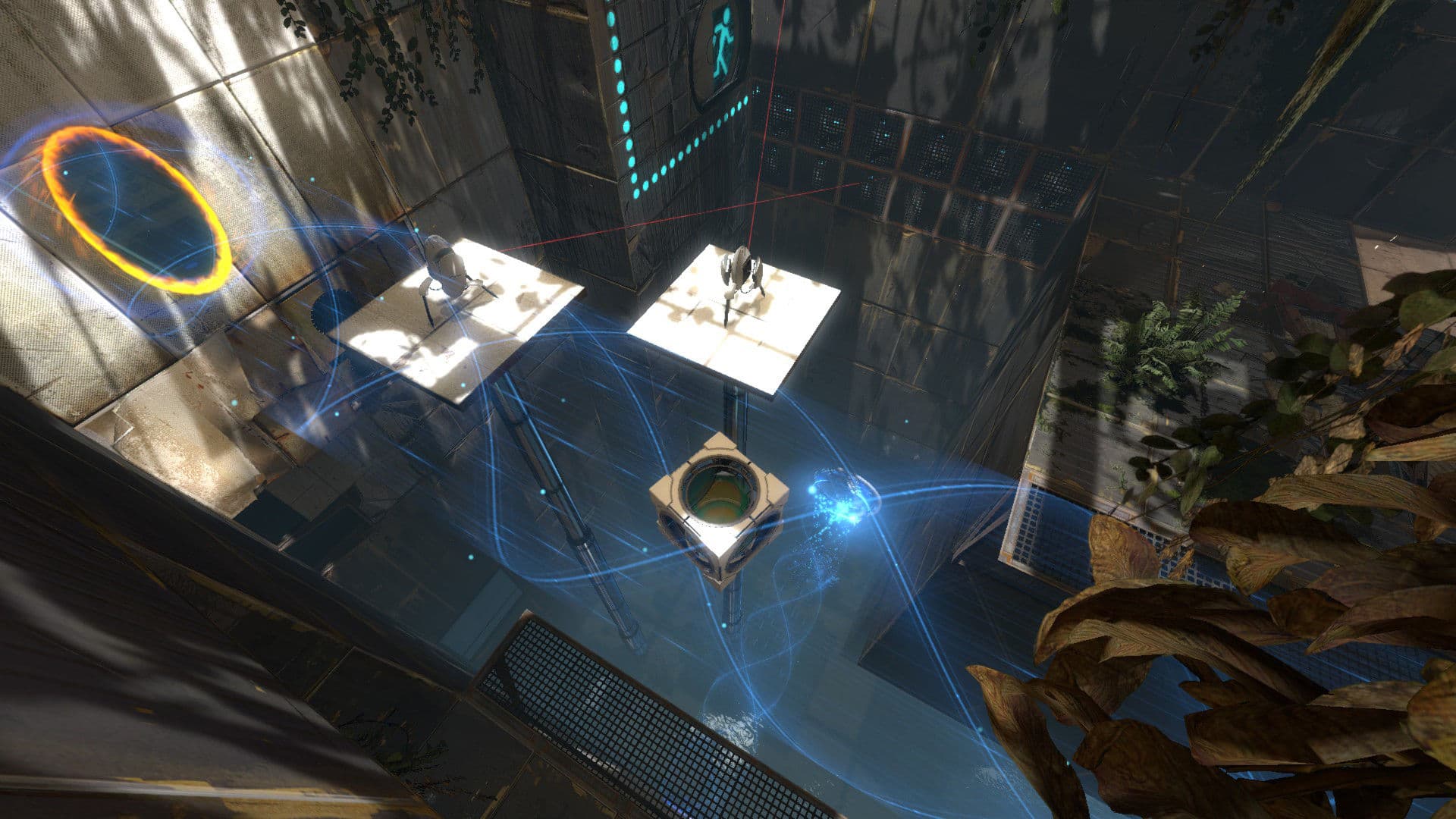
The test chambers in Portal 2 serve as brilliant examples of "learning by doing," where each puzzle builds upon previous knowledge while introducing just enough novelty to maintain engagement. This is particularly evident in how the game introduces the propulsion gel, repulsion gel, and conversion gel—each expanding the player's toolkit while maintaining the core portal gun mechanics that made the original so beloved.
The Psychology of Puzzle Progression
Portal 2's level design analysis reveals a careful consideration of player psychology. The game alternates between moments of guided discovery and open-ended problem-solving, creating a rhythm that prevents mental fatigue. When players encounter particularly challenging puzzles, the game often provides subtle hints through environmental design, ensuring that frustration remains minimal.
Portal 2's Impact on Puzzle Game Design
The influence of Portal 2 on subsequent puzzle games cannot be overstated. Its success demonstrated that players crave intellectually stimulating challenges paired with compelling narratives. Many developers have attempted to emulate Valve's approach, but few have captured the same delicate balance of difficulty and accessibility.
What makes Portal 2's puzzles timeless is their foundation in pure mechanics rather than gimmicks. Unlike many puzzle games that rely on trendy mechanics that quickly become dated, Portal 2's portal gun mechanics remain as fresh and innovative today as they were upon release.
The Perfect Symbiosis of Story and Puzzles
Narrative as Puzzle Foundation
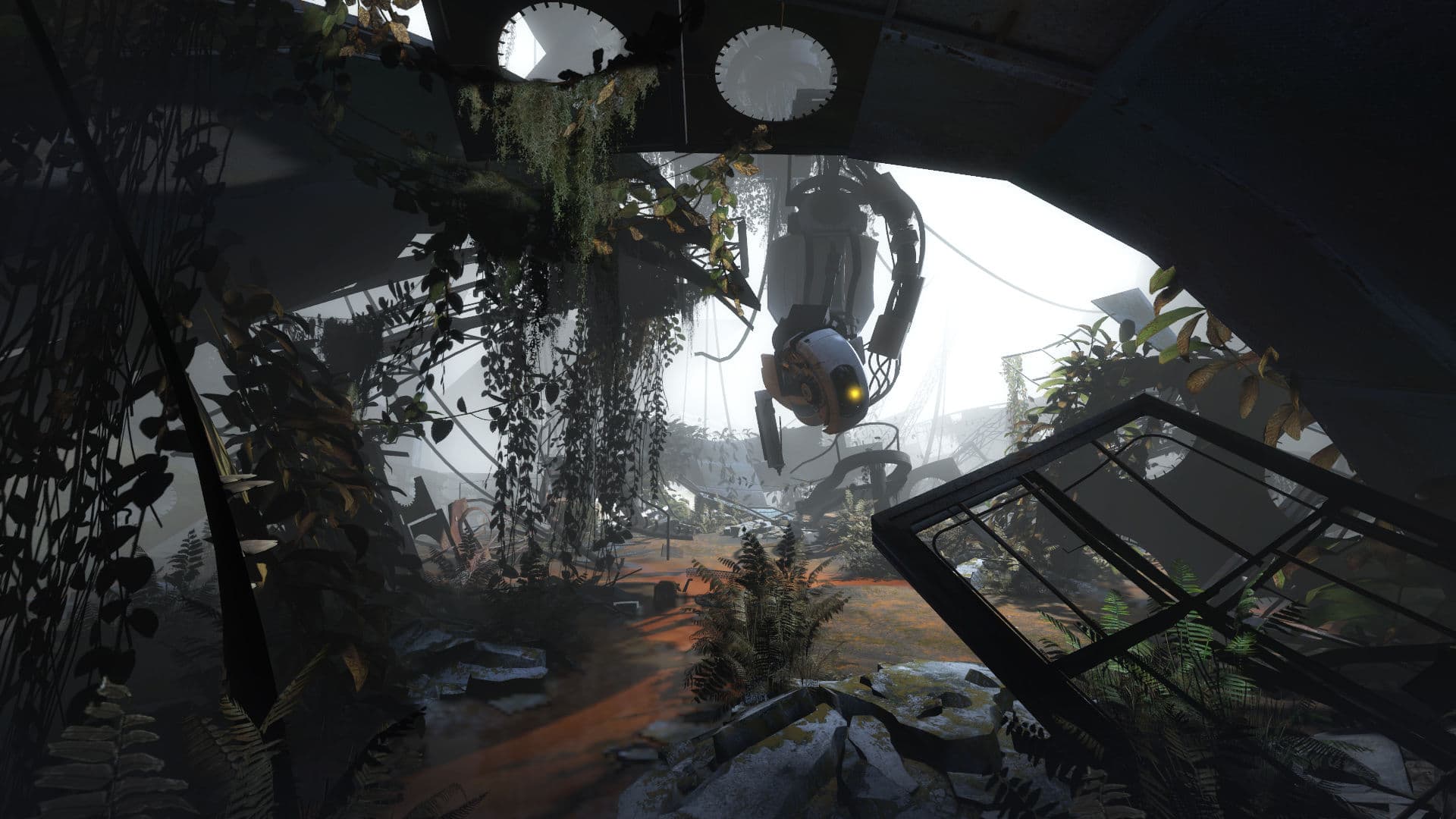
In our portal 2 review, we must highlight how Valve masterfully weaves storytelling into the very fabric of puzzle design. The narrative doesn't merely exist between puzzles; it actively informs and enhances them. GLaDOS's evolving personality provides both context for the test chambers and motivation for players to continue.
This integration of storytelling in puzzle games creates a cohesive experience where players feel emotionally invested in their progress. The environmental storytelling—through abandoned test chambers, hidden messages, and the decaying Aperture Science facility—adds layers of meaning that enrich the puzzle-solving experience.
Character Development Through Puzzle Solving
Portal 2's narrative progression is intrinsically linked to puzzle complexity. As players become more proficient with the portal gun mechanics, the story expands to introduce new characters and conflicts. This parallel development ensures that players never feel disconnected from the narrative, even during the most challenging puzzles.
The relationship between Chell, GLaDOS, and Wheatley demonstrates how narrative can enhance rather than distract from puzzle gameplay. Their interactions provide moments of levity and tension that break up the intellectual challenges while maintaining investment in the outcome.
Portal 2's Replay Value Beyond Speedrunning
Multiple Paths to Solutions
One of the most impressive aspects of Portal 2's puzzle design is the freedom it offers players. Unlike many puzzle games that funnel players toward a single solution, Portal 2's test chambers often accommodate multiple approaches. This freedom of expression dramatically increases replayability, as players can experiment with different strategies and discover unintended solutions.
The game's mechanics encourage creative thinking, rewarding players who think outside the conventional boundaries. This approach to player agency creates a sense of ownership over puzzle solutions, making each playthrough feel unique.
The Longevity of Cooperative Puzzles
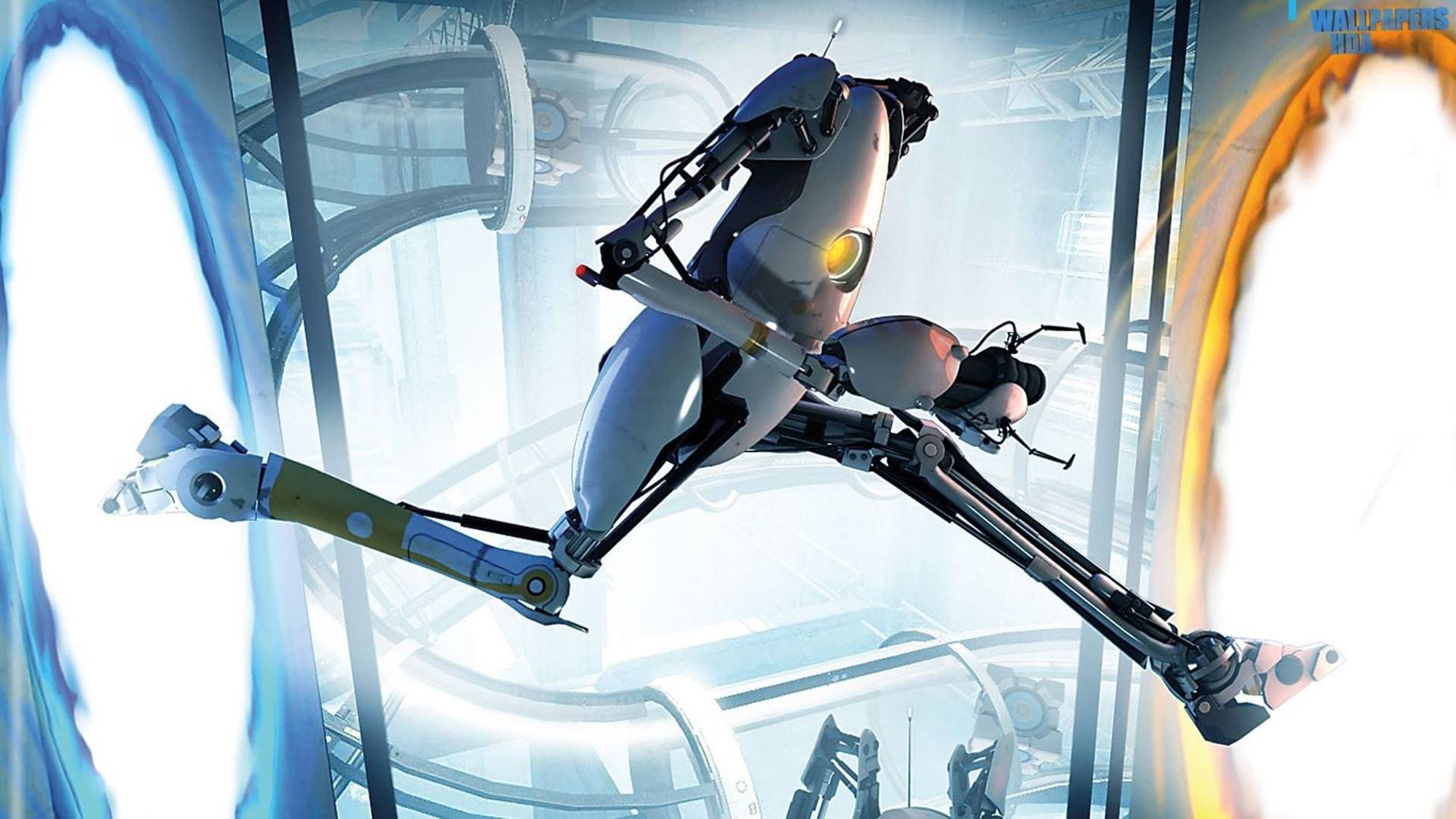
Portal 2's co-op mode represents a different kind of puzzle challenge that extends the game's lifespan significantly. The cooperative puzzles require communication, coordination, and a deep understanding of portal gun mechanics that differs from the single-player experience.
Our co-op puzzle games review highlights how Portal 2's two-player mode isn't merely a tacked-on feature but a carefully designed extension of the core gameplay. The puzzles are specifically crafted to leverage cooperation, creating mechanics that wouldn't work in a single-player context. This innovation ensures that the co-op experience feels fresh and essential rather than derivative.
Post-Game Content and Community Creativity
Beyond the main campaign, Portal 2's workshop support has generated countless user-created puzzles that extend the game's lifespan indefinitely. This community-driven content provides an almost infinite source of new challenges, from beginner-friendly chambers to fiendishly complex designs that push the boundaries of what's possible with portal gun mechanics.
The game's replay value after 10 years remains remarkably high, thanks to this combination of built-in flexibility and community creativity. Few puzzle games can boast such sustained engagement from their player base.
Design Lessons from Portal 2 for Modern Developers
The Power of Incremental Complexity
Portal 2's success demonstrates the importance of gradual complexity escalation in puzzle game design. By introducing new mechanics one at a time and allowing players to master them before combining them, Valve creates an experience that feels challenging but never overwhelming.
This approach to puzzle difficulty curve provides a template for developers looking to create accessible yet intellectually stimulating games. The key is maintaining a balance between challenge and accomplishment, ensuring players feel competent but never bored.
Environmental Storytelling as Puzzle Context
Modern puzzle game developers can learn much from Portal 2's use of environmental storytelling. By integrating narrative elements directly into puzzle design, Valve creates a cohesive experience where story and gameplay reinforce each other rather than feeling disconnected.
This lesson is particularly valuable for indie developers working with limited resources. Instead of relying on extensive cutscenes or dialogue, environmental storytelling can convey narrative information while simultaneously enhancing the puzzle-solving experience.
The Importance of Player Agency
Portal 2's design lessons emphasize the value of player agency in puzzle games. By providing multiple solutions and encouraging experimentation, the game creates a sense of ownership that few puzzle experiences can match. This approach not only increases replayability but also makes the puzzle-solving process more satisfying.
For developers, this means designing puzzles with flexibility in mind—creating systems rather than rigid solutions. This philosophy aligns with modern player expectations for freedom and expression in gaming experiences.
Co-op Mode: A Different Kind of Puzzle Challenge
Communication as Mechanic
Portal 2's co-op mode represents a fascinating evolution of puzzle design, where communication itself becomes a core mechanic. The puzzles are specifically designed to require players to coordinate their actions, often necessitating verbal or visual cues to solve challenges.
This approach to cooperative puzzles creates a social dimension that enriches the puzzle-solving experience. Unlike many co-op games that simply parallel single-player content, Portal 2's two-player mode offers genuinely unique challenges that leverage the partnership between players.
Shared Problem-Solving Dynamics
The dynamics of shared problem-solving in Portal 2's co-op mode create a different kind of player engagement. Players must not only solve puzzles but also communicate their solutions, often requiring them to think through their approaches before execution.
This added layer of complexity makes the co-op experience both more challenging and more rewarding. The satisfaction of successfully coordinating with a partner to solve a particularly difficult chamber provides a unique form of accomplishment that few puzzle games can replicate.
Portal 2 as a Benchmark in the Puzzle Game Landscape
Comparative Analysis Against Puzzle Contemporaries
When we consider portal 2 as a benchmark for level design, it consistently surpasses most puzzle games in terms of mechanical innovation, narrative integration, and player freedom. While titles like The Witness or Talos Principle offer impressive intellectual challenges, they often lack the same seamless integration of story and gameplay.
Portal 2's advantage lies in its accessibility combined with depth. The game welcomes newcomers with its gentle learning curve while offering sufficient complexity to challenge experienced players. This balance is difficult to achieve but essential for creating truly timeless puzzle experiences.
Lasting Influence on Game Design
The impact of Valve's portal 2 on game design extends far beyond the puzzle genre. Its emphasis on environmental storytelling, gradual teaching curves, and player freedom has influenced numerous titles across different genres. Games like Super Mario Odyssey and even open-world RPGs have adopted elements of Portal 2's design philosophy.
This influence demonstrates that Portal 2's design principles are broadly applicable beyond puzzle games. The lessons in player psychology, environmental communication, and progressive complexity provide valuable insights for developers across the industry.
FAQ
What makes Portal 2's puzzles so memorable?
For portal 2 puzzle design review: start with one core mechanic and practice it in a low-risk fight before scaling difficulty.
How does Portal 2's story enhance its puzzles?
For portal 2 puzzle design review: avoid spreading points too thin—max your key skills before unlocking side branches.
Is Portal 2 still worth playing for new gamers?
For portal 2 puzzle design review: track progress by whether fights get shorter and safer after each gear/skill upgrade.
What are the key design lessons from Portal 2?
For portal 2 puzzle design review: use potions, oils, and signs as a system, not as emergency buttons.
How does co‑op mode affect puzzle design in Portal 2?
For portal 2 puzzle design review: rebuild only after a full act so you can measure what actually improved.
What is the difficulty curve like in Portal 2?
For portal 2 puzzle design review: keep a backup defensive option so aggressive damage never strands you mid-fight.